会馆历史Our Story
会馆沿革How It Began How It Began会馆沿革
三水人南来新加坡谋生的年代,可追溯到19世纪初期。1941年合葬于青山亭的七君子墓,当中就有三水邑人梁亚德。七君子是维护绿野亭的坟山权益与占据当地的其他帮派人士发生冲突而牺牲的七位义士。
The earliest record of Sam Sui natives coming to seek a living in Singapore can be traced back to the early 19th century. In 1941, seven martyrs of Cantonese origin, including a Sam Sui native named Liang Ya De, sacrificed themselves in a conflict with other local gangs over the rights of the cemetery at Luk Ye Pavilion.
三水会馆成立于何年,因时代久远,缺乏史料查证。据父老相传,三水人早期于广合源街三十一号,设有「肄江别墅」,为同乡联络聚会之场所,后迁移至豆腐街(盒吧珍珠街),始易名为三水会馆。在绿野亭有「三水义塚」立于光绪乙酉年(1885),在碧山亭加字山(第二亭)的三水会馆总坟设于1893年,前人乃以1886年为三水会馆成立元年。
The exact establishment year of Sam Sui Wui Kun is unknown due to the lack of historical records. According to oral transmission from elders, Sam Sui immigrants originally gathered for fellowship at a venue known as "Yi Jiang Villa" at No. 31 Guangheyuan Street (Pagoda Street) for fellow townsmen to gather. Later, they moved to Tofu Street (Upper Chin Chew Street) and renamed the place as Sam Sui Wui Kun. Based on available records of cemetery sites involving Sam Sui natives in 1885 to 1893, elders considered the founding year of Sam Sui Wui Kun to be 1886.
1904年何心田被公推为会馆总理。因鉴于其他邑侨均有堂皇的会址,乃建议购置馆所,获得各执事热烈支持,于是召开同人大会,通过进行筹购会所事宜,并推选黎某和陆某为筹建馆址正、副总理,九位协理为何心田、邓寿屏、岑璋、陆以钊、黎淘生、程怀、冼联、李吉雪和陆祥。当时三水邑侨生活并不富裕,经济能力有限,然各执事互相勖勉,努力促成,并发捐册到各埠,求助于远近乡亲,终在众志成城下,翌年,购得海山街三十五号三层楼屋宇,屋价三千五百元,连装修、家私设备及开幕等,共银八千余元。
In 1904, Mr Ho Sum Tin was elected General Manager of Sam Sui Wui Kun. Mr Ho observed other clan associations had their own buildings and proposed purchasing a permanent building for Sam Sui Wui Kun. This proposal received enthusiastic support from the board of directors, and a general meeting was held to obtain approval for fund raising. Mr Lai and Mr Lou were appointed leaders of this project, together with the following nine committee members: Mr Ho Sum Tin, Mr Tang Shao Peng, Mr Sam Jiong, Mr Loke Yi Chew, Mr Lai Yun Sang, Mr Cheng Wai, Mr Xin Lin, Mr Lee Kat Xue, and Mr Loke Choing. At that time, most Sam Sui immigrants in Singapore were not wealthy, and their economic capabilities were limited. The project team showed strong initiative and teamwork by encouraging each other and working hard to secure funding. They went above and beyond by actively seeking donations from individuals in different locations. Through collaborative efforts, Sam Sui Wui Kun successfully acquired a three-storey building located at 35 Hai San Street (Upper Cross Street) the following year. The cost of this purchase, including renovation, furniture, and opening ceremony, totalled more than $8,000, with the actual building price amounting to $3,500, which was a princely sum in those days.
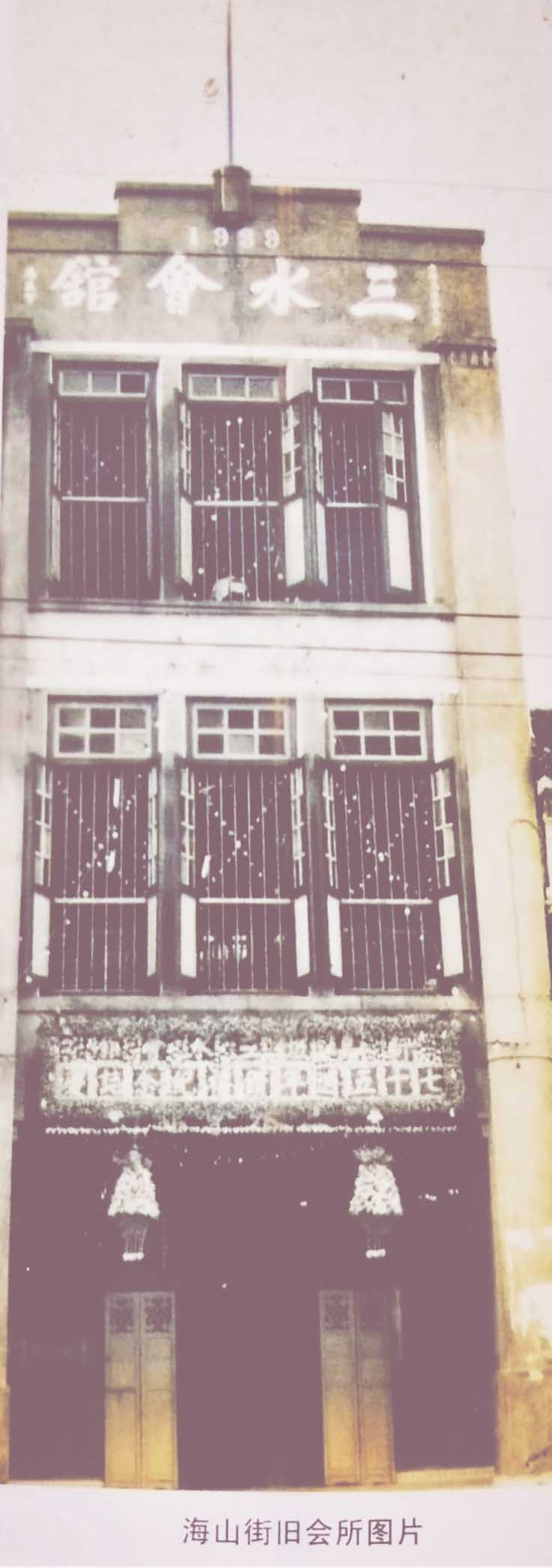
大事纪要Development of Events
沿革史略Our Story Our Story沿革史略
1927
海山街会所地契须于1939年前按市价续约,会馆面临高昂的翻新与续约费用,而经济不景亦令筹款举步维艰。
Told to renew the Hai San Street land lease by 1939 at market price, Sam Sui Wui Kun faced steep renovation and renewal costs just as the economic downturn made fundraising difficult.
1929
创办三水学校,为会员子弟提供教育。1960年因学生人数减少、无法开办完整六年制课程而停办。
Sam Sui Primary School was set up to educate members' children. It closed in 1960 when falling enrolment made it impossible to run a full six-year programme.
1937
黄世涛先生当选总理,修改章程,并将"总理"一职改称"会长"。
Mr Wong Sai Toh, elected General Manager, revised the constitution and renamed the post of General Manager to President.
1938
邱高先生当选会长,圆满完成地契续约事宜,任职多年,直至战后新加坡光复后才卸任。
Mr Yew Gao was elected President and saw the lease renewal through to completion, serving for years until his retirement after the war and Singapore's liberation.
1951
为会员设立慈善福利部,1961年依据互助社条例独立注册。1989年因会员减少而解散,资金按参与年资分发予各成员。
A charitable welfare section was set up for members, registering independently in 1961 under mutual aid regulations. It dissolved in 1989 as membership declined, its funds shared among participants by years of membership.
1954
政府颁布新的社团注册条例,会馆重新注册并修改章程,设立监事会,查账员由会员大会直接选出。
Under new government regulations for society registration, Sam Sui Wui Kun re-registered and amended its constitution to establish a board of supervisory committee, with the auditor elected directly by the AGM.
1961
举行创会75周年庆典,本地宗乡团体及马来西亚各地三水会馆代表应邀出席。
Guests from the local clan community and Sam Sui associations across Malaysia joined the 75th founding anniversary celebrations.
1965
成立三水会馆醒狮团,为青年会员提供有意义的文化活动,何贵森先生担任团长兼义务教练。
The Sam Sui Wui Kun Lion Dance Band was formed to give young members a meaningful cultural outlet, with Mr Hoo Kwai Sum serving as director and volunteer coach.
1967
醒狮团正式成立;会馆81周年庆在国家剧场举办南北狮武术大会,新加坡首任总统莅临,并为防癌协会筹得两万元善款。
The Lion Dance Troupe was officially commissioned, and the association's 81st anniversary featured a North-South Lion Martial Arts Conference at the National Theatre, attended by Singapore's first president and raising $20,000 for the Cancer Society.
1970
海山街会所因市区重建计划须予交还,会馆筹款购置芽笼22巷10/12号新址,兴建四层楼会所,耗资三十余万元。
Told to surrender the Hai San Street building under urban redevelopment plans, the association raised funds and purchased a new site at 10/12 Geylang Lorong 22, building a four-storey premises for over $300,000.
1978
开始每年岁末举办联欢午宴,向七十岁以上会员派发红包,并于全年各节庆举办会员联欢活动。
Sam Sui Wui Kun began its annual year-end lunch and red packet gifting for members aged 70 and above, and started marking festivals throughout the year with member gatherings.
1979
新加坡国家发展部长主持芽笼22巷10/12号新会所开幕典礼,并出版纪念特刊。
Singapore's Minister for National Development officiated the opening of the new building at 10/12 Geylang Lorong 22, marked with a commemorative magazine.
1980
理事会任期由一年延长为两年。
The management committee's term of office was extended from one year to two.
1986
举办创会100周年庆典,筵开百席,为会馆史上规模最大的聚会,并出版纪念特刊。
Sam Sui Wui Kun marked its 100th anniversary with a banquet of a hundred tables, the largest gathering in the association's history, and a commemorative magazine.
2007
修改章程:监事会改为理事会;入会最低年龄由60岁提高至65岁;解散后剩余资产归于获准的慈善用途。
The constitution was revised: the supervisory committee became the management committee, the minimum entry age rose from 60 to 65, and dissolution proceeds were directed to approved charitable causes.
2013
入会年龄提高至75岁,并推行永久会员制;会长与财政限任连续两届。
The entry age was raised to 75 with the introduction of life membership, and the President and Treasurer were limited to two consecutive terms.
2019
取消永久会员的年龄限制,理事会任期改为三年,会长可连任至三届。
The age limit on life membership was removed, committee terms moved to three years, and the President became eligible to serve up to three terms.
2023
为奠定后代基业,第115届理事会售出芽笼22巷会所,并于附近购置一座六层楼新会所,两项交易于三月同一周内完成。
To build a foundation for future generations, the 115th Management Committee sold the Geylang Lorong 22 building and completed the purchase of a new six-storey premises nearby, both transactions closing within the same week of March.
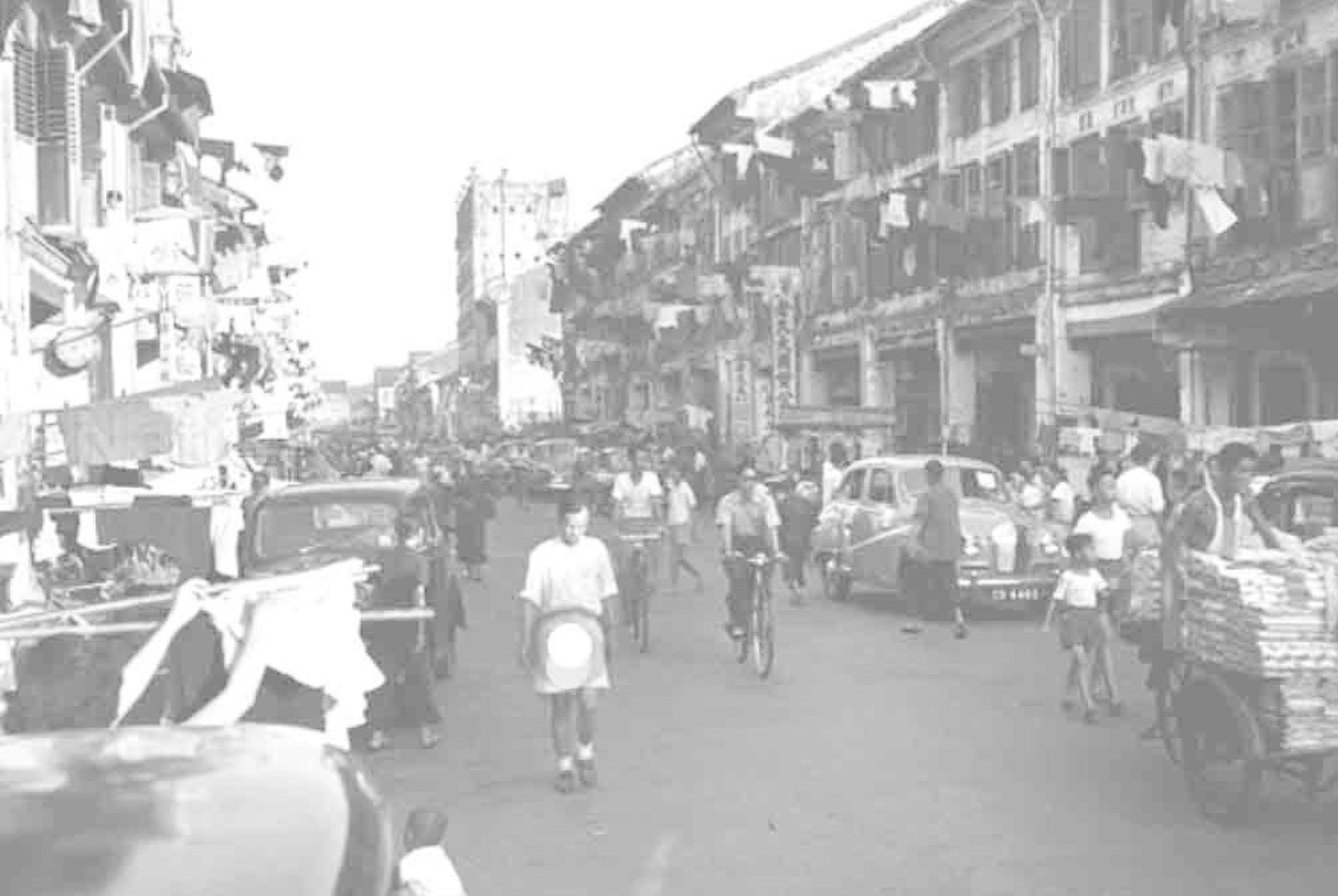
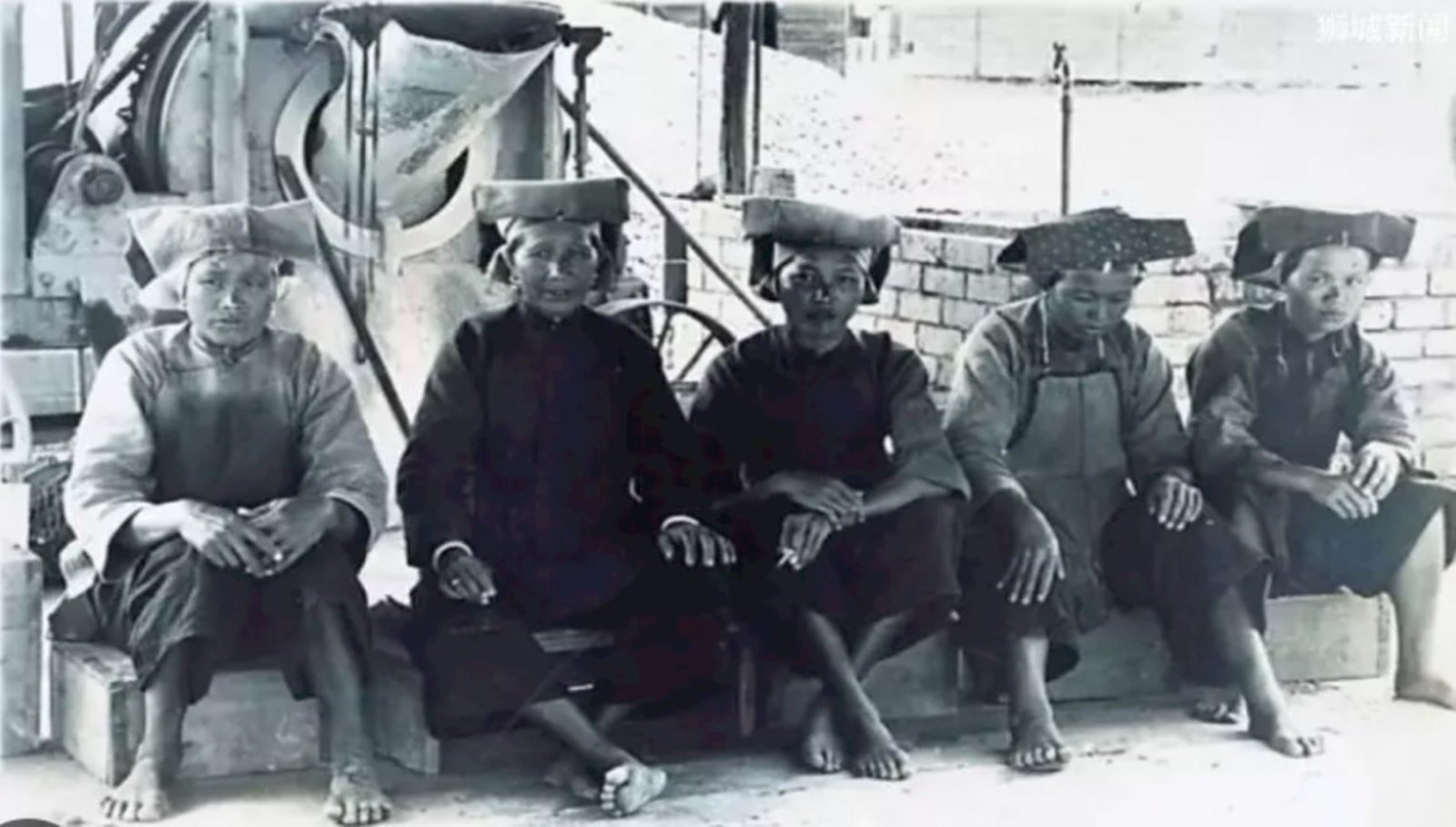
你知道吗Did You Know
三水会馆趣闻Fun Facts About the Sam Sui Wui Kun
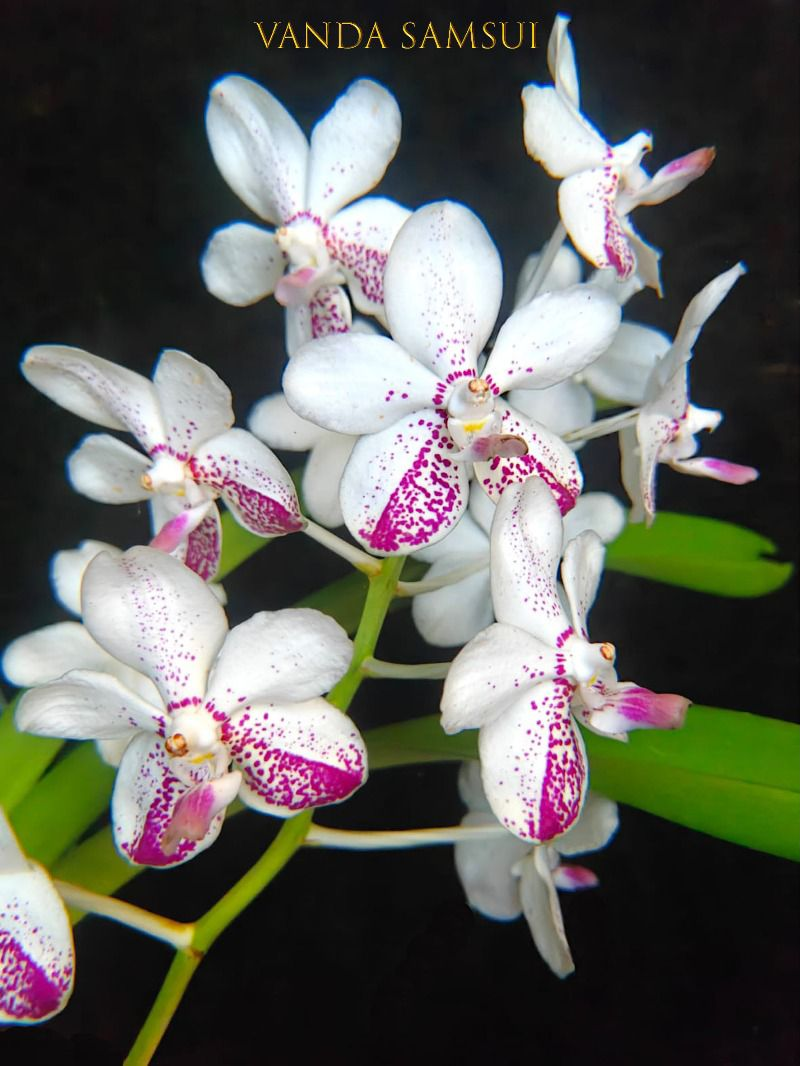
"三水万代兰"(Vanda Samsui)是三水会馆在139周年庆典上选定的兰花杂交新品种,以一朵冠以其名、传扬世界的花朵,致敬红头巾坚毅不屈的精神。
The Vanda Samsui orchid hybrid was selected by Sam Sui Wui Kun during its 139th anniversary celebration, honouring the strength and endurance of the Samsui women with a flower that carries their name worldwide.
文化与康乐Culture & Recreation
醒狮团Lion Dance Band Lion Dance Band醒狮团
三水会馆醒狮团的成立,旨在为青年提供有益身心的文化与康乐活动。何贵森先生担任醒狮团团长兼义务教练,指导团员习练舞狮与武术。
The Sam Sui Wui Kun Lion Dance Band was established to promote beneficial cultural and recreational activities for young people. Mr Hoo Kwai Sum served as director and volunteer coach of the Lion Dance Band, providing guidance to members on lion dance and martial arts.
联系方式Get In Touch
联络我们Contact Us Contact Us联络我们
地址Address
芽笼22巷8号
新加坡 3986688 Lor 22 Geylang
Singapore 398668
电邮Email